- Nootropic Blend Team
- Updated September 18, 2026
- Affiliate disclosure
We prioritize readers, not ads. Editorial independence. Free, factual information. A small fee from product links, no extra cost to you.

Red light therapy is booming — and for good reason. From faster recovery and better sleep to skin health and mitochondrial support, light-based therapy has gone mainstream. But here’s the twist: what if the most effective form of infrared therapy isn’t LED at all?
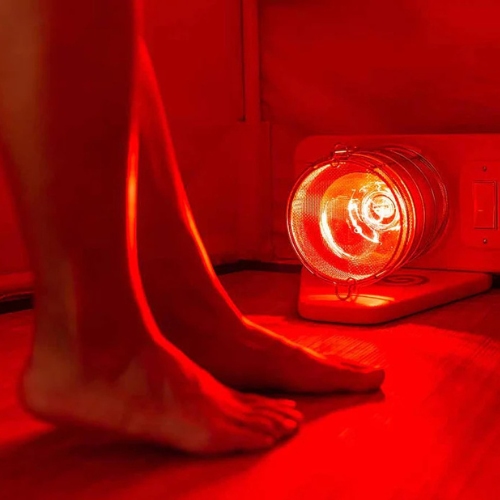
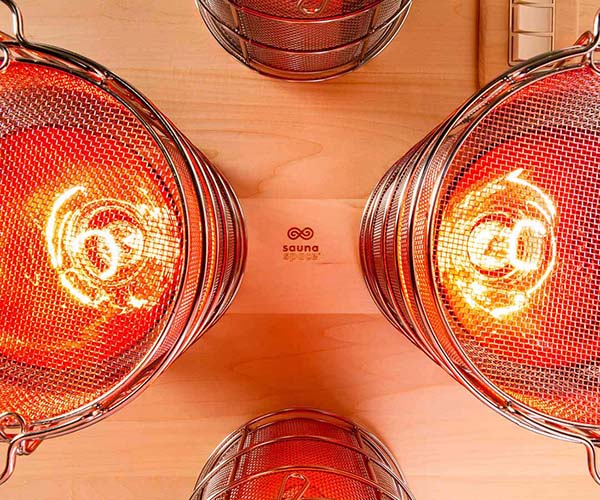
Instead of modern LED panels, SaunaSpace uses incandescent bulbs, inspired by early 20th-century medical light therapy — and rebuilt with modern safety standards, ultra-low EMF design, and full-spectrum infrared output.
This approach aligns with what research suggests about how light influences cellular energy production and circadian signaling — a key reason why red light therapy benefits are increasingly studied in recovery and longevity science.
In this hands-on SaunaSpace review, we take a deep look at how their near-infrared sauna technology compares to conventional infrared saunas and LED red light panels. We’ll examine the science, real-world use, and whether SaunaSpace’s premium pricing actually delivers meaningful benefits for recovery, focus, skin health, and sleep.
If you’re considering a near-infrared sauna without LED flicker or high EMF, this review will help you decide if SaunaSpace is truly worth it — or simply a beautifully marketed luxury.
SaunaSpace is worth considering if you’re looking for a full-body infrared setup without LED flicker and with a strong focus on low-EMF design. Its incandescent light combines red, near-infrared, and mid-infrared wavelengths with radiant heat, creating a warmer and more immersive experience than a conventional LED panel. It’s a premium option best suited to consistent, long-term use.
- Biohackers and longevity-focused users
- People who prefer incandescent light over LED panels
- Users building a consistent recovery or relaxation routine
- Budget-focused buyers
- Users needing highly portable red light devices
- People looking only for quick, targeted treatments
Table of Contents
What You’re Actually Getting
SaunaSpace is not positioned as a basic red light panel. It is built as a full-body infrared environment that combines incandescent light, gentle radiant heat, low-EMF design, and natural materials for longer, more comfortable recovery sessions.
Best Use Cases
- Daily recovery and relaxation routines
- Sleep and evening wind-down support
- Post-training soreness and body tension
- Users sensitive to harsh LED light
- Long-term home wellness setups
What Makes It Different
- Incandescent light instead of LED panels
- Broader red, near-, and mid-infrared spectrum
- Light and heat in the same session
- Flicker-free, low-EMF-focused design
- Organic materials and handmade construction
Why People Choose It
- Feels softer and less clinical than LED panels
- Creates a calmer, more immersive ritual
- Designed for consistent long-term use
- Better suited to full-body sessions than quick spot treatments
Things to Consider
- Higher upfront investment
- Requires dedicated space
- Less portable than smaller red light devices
- May be excessive for occasional users
Current offer: Get a complimentary skincare set with a Glow Infrared Therapy Light purchase. SaunaSpace also offers a 100-day home trial on eligible handcrafted products.
What Is SaunaSpace?
SaunaSpace is a U.S.-based wellness company from Columbia, Missouri, focused on full-spectrum, near-infrared light therapy without LED flicker or high EMF exposure. Instead of modern LEDs, SaunaSpace uses incandescent bulbs, designed to be more biologically compatible with the human nervous system.
What sets SaunaSpace apart is its return to early medical light therapy principles, updated with modern engineering. Their custom incandescent bulbs emit red, near-, and mid-infrared light in a smooth, continuous spectrum, producing a more natural, sun-like heat — without the harsh flicker or digital glare common in LED-based systems.
This approach is inspired by the work of John Harvey Kellogg, who explored therapeutic uses of light and heat in the late 19th and early 20th centuries. SaunaSpace modernizes these concepts with low-EMF design, optional Faraday shielding, and materials suitable for daily, long-term use.
How Infrared Therapy Fits Into Modern Biohacking
Infrared therapy has become a core part of modern biohacking, especially when it comes to recovery, sleep optimization, and nervous system regulation.
If you want a broader overview of how these tools fit together, you can explore our full breakdown of current biohacking strategies and trends.
Types of SaunaSpace Saunas & Their Uses
SaunaSpace offers three core setups depending on how you want to use infrared therapy: full-body recovery, targeted daily sessions, or a custom home sauna build.
Which SaunaSpace Model Is Right for You?
Each model uses SaunaSpace’s incandescent infrared technology, but the best choice depends on coverage, space, portability, and how immersive you want the experience to be.

FireLight® Sauna
Best for full-body recovery, daily sauna rituals, sleep, deep relaxation, and nervous system support.

Glow® Infrared Light
Best for targeted therapy, screen fatigue, travel, face care, joints, and short daily sessions.

Hearth® Infrared Panel
Best for DIY saunas, custom wellness rooms, modular home setups, and long-term infrared spaces.
All models use SaunaSpace’s proprietary incandescent bulbs designed to mimic natural sunlight without UV or harsh LED flicker.
Why SaunaSpace Feels Different From LED Panels
Modern red light therapy is largely built around LED panels. They’re widely available, relatively affordable, and often used for targeted applications like skin or joint support.
SaunaSpace takes a different approach.
Instead of LEDs, it uses incandescent infrared light to create a broader, more continuous spectrum — combining red light, near-infrared light, and gentle radiant heat in a single session. This type of light exposure has been studied in the context of photobiomodulation and mitochondrial energy production.
The difference is not just technical, but experiential.
LED panels tend to deliver direct, focused light. SaunaSpace feels softer, warmer, and more similar to natural sunlight. For some users, that translates into a more comfortable experience during longer sessions, especially when the goal is relaxation, recovery, or nervous system support.
Another key difference is design philosophy.
SaunaSpace is built with a focus on low EMF exposure and flicker-free output. This may feel more comfortable over time, particularly when compared to high-frequency light flicker that has been associated with visual strain in certain lighting conditions.
That doesn’t mean LED devices are ineffective.
They can still be a practical and accessible option, especially for localized or budget-friendly use.
SaunaSpace simply aims at a different use case — a more immersive, full-body infrared experience that combines light, warmth, and sensory comfort.
NB takeaway: LED panels work well for targeted, entry-level use. SaunaSpace is designed for users who want a calmer, more complete infrared environment rather than just exposure to specific wavelengths.
Historical Roots, Modern Impact
SaunaSpace’s approach isn’t entirely new.
Early light therapy systems in the late 19th and early 20th century, including those explored by John Harvey Kellogg, were already based on the idea that light and heat could support circulation, recovery, and overall vitality.
SaunaSpace builds on that concept using modern electrical design, low-EMF architecture, and controlled infrared output.
Today, light-based therapies are often studied under the umbrella of photobiomodulation — particularly in relation to cellular energy and tissue response. Research on red light wavelengths such as 633 nm has explored their role in collagen production and vascular function in the context of low-level light therapy.
Rather than isolating a single wavelength, SaunaSpace focuses on a broader, continuous spectrum combined with gentle radiant heat — aiming to create a more natural and comfortable full-body experience.
NB takeaway: The idea behind infrared therapy isn’t new. SaunaSpace simply applies it in a more modern, controlled, and user-friendly way.
Key Benefits of a Full-Spectrum Infrared Sauna
SaunaSpace isn’t just another red light device. It offers a different type of infrared experience — one that combines light, warmth, and sensory comfort into a more complete recovery environment.
Here are the key benefits that set it apart.
1. Deeper, More Immersive Heat Experience
Unlike most LED panels, SaunaSpace combines light with gentle radiant heat. Instead of targeting small areas, it creates a full-body environment that feels closer to natural sunlight than a typical device.
This makes it particularly suited for longer sessions focused on relaxation, recovery, and overall body support.
2. Flicker-Free Light for Nervous System Comfort
Many LED panels use high-frequency light modulation, which may feel harsh or fatiguing for some users over time.
SaunaSpace uses a continuous, flicker-free light source, designed to feel softer and more stable during longer sessions — especially for people sensitive to artificial lighting.
3. Low-EMF Design
SaunaSpace is built with a strong focus on reducing electromagnetic field exposure generated by its own electrical components.
Its panels use shielded wiring, grounded components, and protective bulb guards, while the optional SilverLining® upgrade adds Faraday-style shielding designed to reduce external signals such as Wi-Fi, Bluetooth, and cellular frequencies.
4. Full-Spectrum Infrared + Gentle Heat
Instead of isolating specific wavelengths, SaunaSpace delivers a broader infrared spectrum combined with radiant warmth.
This overlaps with areas studied in photobiomodulation research, including cellular energy and tissue response. In practical terms, though, the main difference is experiential: the light feels warmer, broader, and less clinical than a typical LED panel.
5. May Support Sleep & Circadian Rhythm
Light quality plays an important role in how the body regulates sleep and circadian timing.
Exposure to bright or blue-enriched artificial light in the evening can disrupt normal biological timing, while warmer light environments may be better suited to relaxation and wind-down routines. Harvard research on light exposure explains how evening light can influence circadian rhythms and sleep.
6. Materials & Overall Experience
SaunaSpace is designed as a space, not just a device.
Organic fabrics, natural materials, and the absence of harsh lighting or fan noise create a calmer, more immersive experience than most conventional red light setups.
NB takeaway:
If you’re looking for a simple, targeted red light device, LED panels can still be a practical choice.
SaunaSpace makes more sense if you want a full-body setup built around warmth, comfort, and longer recovery-focused sessions.
Real-World Results: What Users Are Saying
SaunaSpace has built a strong following among users looking for a warmer, more immersive alternative to conventional red light therapy.
Customer experiences are anecdotal, but several themes appear repeatedly: deeper relaxation, a more natural-feeling light, less visual harshness, and greater comfort during longer sessions.
Common Patterns Reported by Users
Users often mention:
- deeper relaxation during and after sessions
- improved comfort compared with bright LED panels
- reduced feelings of physical tension
- a calmer evening routine
- a more immersive full-body experience
These reports are subjective and shouldn’t be treated as clinical evidence. Still, they help explain why SaunaSpace appeals to users who value warmth, comfort, and longer recovery-focused sessions.
NB takeaway: The main difference users describe is not just the light itself, but the overall experience created by the combination of incandescent light, radiant heat, and an enclosed recovery environment.
SaunaSpace vs Traditional Infrared Saunas
At first glance, SaunaSpace may look like a premium infrared sauna.
In practice, it takes a different approach — focusing on light quality, nervous system comfort, and long-term usability rather than just heat output.
Here’s how it compares to traditional infrared saunas.
SaunaSpace
- Near-infrared incandescent light
- Flicker-free, continuous output
- Low-EMF focused design
- Sun-like, radiant warmth
- Combines light + heat
- Designed for recovery & long sessions
Traditional Infrared Saunas
- Far-infrared carbon or ceramic heaters
- Heat-focused approach
- LED lighting often included
- EMF varies by brand
- Hotter surface-level heat
- Primarily used for sweating
If your goal is simple heat exposure and sweating, a traditional infrared sauna can still be a practical choice.
But if you’re looking for a calmer, more light-focused experience that prioritizes comfort, recovery, and daily use, SaunaSpace sits in a different category.
Is SaunaSpace Worth It?

SaunaSpace is a premium purchase, so the value depends heavily on how often you’ll use it and what kind of infrared experience you want.
If you’re looking for occasional, targeted red light exposure, a simpler LED panel may be enough. SaunaSpace makes more sense if you want a dedicated full-body setup built around incandescent light, radiant heat, comfort, and regular use.
What You’re Actually Paying For
SaunaSpace isn’t priced like a typical red light device because it combines several elements in one system.
You’re paying for:
- incandescent, flicker-free infrared light
- radiant heat alongside light exposure
- low-EMF-focused electrical design
- natural materials and premium construction
- a full-body environment rather than a targeted device
NB insight: The premium is less about a single feature and more about the complete setup and experience.
Who Gets the Most Value
SaunaSpace tends to make the most sense for:
- people building a consistent recovery or relaxation routine
- users who prefer incandescent light over bright LED panels
- those who want a full-body setup rather than targeted treatment
- people who value comfort, materials, and long-session usability
The biggest value comes from frequency of use. If SaunaSpace becomes part of a regular routine, the premium price is easier to justify.
Who It’s Not For
SaunaSpace may be harder to justify if:
- you mainly want occasional red light exposure
- you prefer a compact or highly portable device
- your priority is the lowest upfront cost
- you only need targeted treatment for a small area
For these users, a simpler LED panel or compact infrared device will usually make more practical and financial sense.
Biohacking Synergy: SaunaSpace + Nootropics
SaunaSpace works well on its own — but some users include infrared sessions alongside nootropics and adaptogens as part of a broader recovery and performance routine.
Why This Combination Works
Infrared sessions are commonly used for relaxation, warmth, and recovery, while nootropics and supplements may target separate goals such as focus, energy, or stress support.
Some users combine this with broader strategies for energy and focus, including natural energy approaches without caffeine — especially when trying to avoid overstimulation.
In simple terms:
light + heat support the recovery side of the routine, while nootropics can target separate cognitive goals.
Popular Pairings
Many users combine SaunaSpace sessions with targeted nootropics and adaptogens to support recovery, focus, and energy.
Used consistently, SaunaSpace can become part of a broader recovery and performance routine — not just a standalone tool.
Practical Use
Some users integrate SaunaSpace into training or recovery routines alongside targeted supplementation and performance-focused stacks.
Others use it as part of a broader daily routine focused on consistency, relaxation, and long-term energy support.
NB Takeaway: Used consistently, SaunaSpace can become part of a broader recovery and performance routine — not just a standalone tool.
SaunaSpace FAQ
1. Is SaunaSpace designed to reduce EMF exposure?
Yes. SaunaSpace uses shielded wiring, grounded components, and protective light-panel guards to reduce EMFs generated by its electrical system.
The optional SilverLining® enclosure adds Faraday-style shielding that SaunaSpace says can block up to 99.99% of external radio-frequency signals, including Wi-Fi, Bluetooth, and cellular signals.
2. How long should a typical SaunaSpace session last?
SaunaSpace recommends starting gradually and adjusting based on comfort and heat tolerance.
For the FireLight® Classic, typical sessions are around 20–30 minutes, while the 7-bulb SuperSauna is generally used for 10–20 minutes. New users can start shorter and increase gradually as they adapt.
3. Can I combine SaunaSpace with nootropics or other biohacking tools?
Yes, but the combination should be viewed as part of a broader wellness routine rather than a proven synergistic treatment.
Many users pair infrared sessions with basics such as hydration, electrolytes, magnesium, creatine, or adaptogens like Rhodiola to support recovery, energy, or relaxation. The key is to treat these as separate tools that may complement the same routine, not as a clinically validated stack.
4. What’s the difference between FireLight®, Glow®, and Hearth®?
- FireLight® is the full-body option, designed for immersive sauna sessions and longer recovery-focused use.
- Glow® is a compact infrared light for targeted areas such as the face, joints, or smaller body regions.
- Hearth® is a modular infrared panel intended for custom sauna rooms and DIY setups.
All three use SaunaSpace’s incandescent infrared technology. The main difference is coverage, portability, and how immersive you want the setup to be.
5. Does infrared sauna use help with circulation and detox?
Infrared heat can increase skin blood flow and promote sweating as the body works to regulate temperature.
However, claims that sauna use “detoxifies” the body should be treated cautiously. Sweat can contain trace amounts of certain substances, but the liver and kidneys remain the body’s primary detoxification systems.
6. Is SaunaSpace worth investing in compared to a cheaper LED panel?
It depends on what you want from the setup.
A cheaper LED panel can be a practical choice for targeted use, portability, and lower upfront cost. SaunaSpace makes more sense if you want a full-body infrared environment built around incandescent light, radiant heat, low-EMF design, and longer recovery-focused sessions.
For frequent users who value comfort and immersion, the premium may be justified. For occasional or purely targeted use, an LED panel will usually be the more economical option.
Final Verdict | SaunaSpace Review
SaunaSpace is not the most practical choice for everyone.
If you mainly want affordable, targeted red light exposure, a conventional LED panel will usually make more sense.
But SaunaSpace offers something different: a full-body infrared environment built around incandescent light, radiant heat, low-EMF design, and longer, more immersive sessions.
That combination makes it most appealing to people who plan to use it consistently and value comfort, materials, and the overall experience as much as individual technical specifications.
Our Recommendation
For a complete home setup, the FireLight® Sauna is the strongest all-around option. The Glow® makes more sense as a lower-cost entry point, while Hearth® is better suited to custom or DIY sauna builds.
👉 Explore SaunaSpace’s full product lineup and choose the setup that best fits your space, budget, and routine. →
• Hamblin MR — Photobiomodulation and mitochondrial redox signaling
• Wilkins A. et al. — Health effects of LED flicker
• Harvard Medical School — Light exposure and circadian rhythm
• World Health Organization — EMF and public health
Nootropics that boosts your brain power
Find the best nootropic ingredients that give results
Best natural nootropicsRelevant posts

Pure Shilajit Benefits | What It Does, How to Use It & Why Resin Matters

Hume Health Body Pod Review 2026 | Near‑Clinical Health Insights at Home